FREE In-store Pick Up. Delivery Rates vary (determined at checkout).

DIY Wedding Blooms

DIY Wedding Blooms

We received a beautiful question on the podcast this week from a listener whose daughter is getting married next summer (congrats!) and is planning on making 12 floral centrepieces:

“My daughter is getting married next summer and I’m creating 12 centrepieces and looking for some ‘how to’. I bought some wooden buckets and thought about lining them with plastic and creating arrangements with floral foam. Time and effort might be a challenge not to mention cost. My other thought was to grow sage, lavender, and maybe some other plant but I don’t know how far in advance I need to start growing them to be a nice sized arrangement by mid-August. What do you think I should do? – Roxie

Such a meaningful contribution to her daughters wedding! So, what options does Roxie have? I don’t know about you, but I like having a plan A, B, and C to feel like I’m covered. So, let’s break down some plans she (and you!) could take.
 

1. The Full Green Thumb Gambit: Start from Seed

If you want specific varieties—especially those trendy, specialty colours—starting from seed is your ticket. For lavender, you’ll need a seriously early start (think late winter/early spring, at least 16 weeks before planting outside). Sage is much easier!

Game Plan:

  • Grow Extra: Always grow 30-50% more than you need. Not every seed will make it, and you’ll need backup for weather surprises. We would recommend starting these indoors so you know how successful you’ll be by May in case you think plan B might be in order.

  • The Pot Strategy: Grow your herbs (sage, lavender) in beautiful pots. If the weather is uncertain in the days before the wedding, you can easily move them indoors or under cover, giving you total control.

  • Cut Flowers: Add “cut-and-come-again” annuals like Bacopa, Zinnias, Cosmos, or Snapdragons to the mix. These thrive when cut and will give you the bulk you need. You can grow these straight in the ground or in large containers.
2. The Speedy Grower: Buy Established Plants

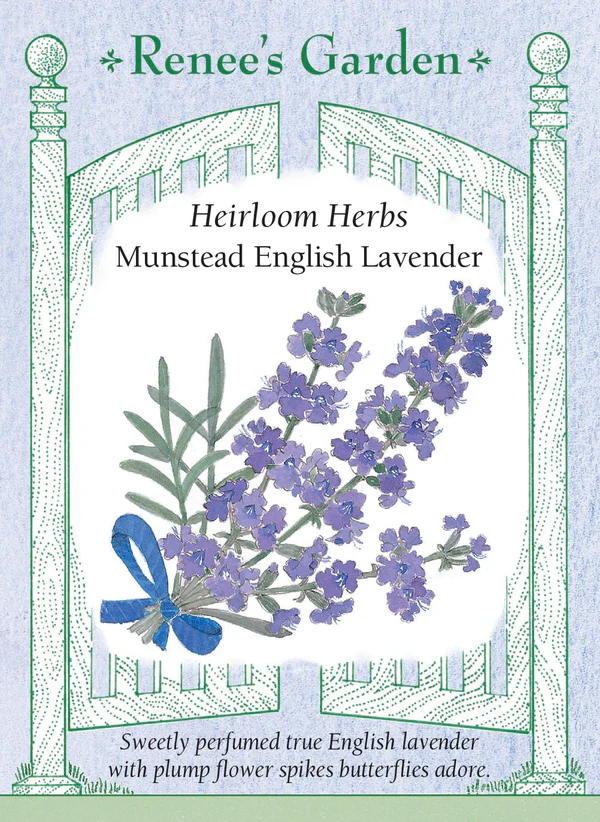
If time and the “marathon of work” is a challenge, skip the seed starting! Golden Acre (or your local garden centre, if you’re tuning in globally!) is stocked with beautiful, established plants starting around mid-May after the last frost.

Game Plan:

  • Source Early: You might have to visit several nurseries to find 12 matching plants of a specific size or less common variety.

  • Maintenance: Buy your desired plants in May and maintain them throughout the summer by deadheading spent blooms and ensuring consistent, deep watering.

  • The Pro: You save months of work and eliminate the risk of early-season failure. The trade-off is higher cost, as mature plants are pricier than a packet of seeds.

3. Connect with a Local Flower Farmer

This is the ultimate secret weapon for DIY wedding flowers. Instead of growing everything yourself or buying retail, connect with a local flower farmer or market gardener now.

Game Plan:

  • Wholesale Pricing: Explain your project (12 centrepieces) and ask if they offer wholesale pricing for bulk bunches (like 10 or 20 stems of one type).

  • Sourcing Specialists: They can often grow the specific filler and accent flowers you need (like grasses, baby’s breath, or specific sage/lavender foliage) and harvest them right before your mid-August wedding.

  • The Win: You get stunning, fresh, locally grown blooms at a fraction of the retail cost without lifting a trowel!
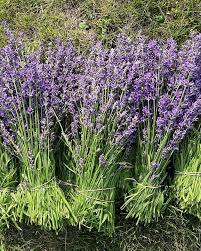
Alberta lavender farm

www.albertalavenderfarm.com

Red Deer Country, AB

We think connecting with a local flower farmer for the bulk of the blooms, supplemented by a few pots of homegrown sage and lavender (Plan 1), is your ultimate winning strategy!


CONNECT WITH US

Thank you so much for supporting our podcast and for making the world a more planty place. Please subscribe, leave a rating or review and listen in for new gardening discussions every week! Golden Acre Home & Garden is located in Calgary, Alberta, Canada and open 362 a year for all your home and garden needs!

⁠⁠⁠⁠⁠⁠⁠⁠⁠⁠⁠⁠⁠⁠⁠⁠⁠⁠⁠⁠⁠⁠⁠⁠⁠⁠⁠⁠⁠⁠⁠⁠⁠⁠⁠⁠⁠⁠⁠⁠⁠⁠⁠⁠⁠⁠⁠⁠⁠⁠⁠⁠⁠⁠Instagram⁠⁠⁠⁠⁠⁠⁠⁠⁠⁠⁠⁠⁠⁠thehelpfulgardenerspod⁠⁠⁠⁠⁠⁠⁠⁠⁠⁠⁠⁠⁠

⁠⁠⁠⁠⁠⁠⁠⁠⁠⁠⁠⁠⁠⁠⁠Leave us a Voice Note: ⁠⁠⁠⁠⁠⁠⁠www.goldenacre.ca/podcast⁠⁠⁠⁠

CREDITS

Hosted by: Brandi Warren & Colin Hayles

Voiceover by: Kaelan Shimp⁠⁠

Music by: Forestmusic

Translate »

Calcium Nitrate:

Mix Ratio: Apply ¼ teaspoon per 2 litres once a week. I full scoop makes 24 litres or 6 gallons.

Recommended preventing blossom end rot and calcium deficiency in tomatoes, peppers, cucumbers, pumpkins, zucchinis, and cannabis. It is also highly beneficial for all leafy greens and cruciferous plants (cabbage, Brussel sprouts, broccoli etc.).

Caution: Do not exceed the recommended amount. Keep out of reach of children and pets.

Iron Chelate

Mix Ratio: Soil drench – apply ¼ teaspoon (1gram) /per 1 Litre of water once every 2 weeks. A full scoop makes 12 litres or 3 gallons.

Mix ratio: Foliar spray - apply ¼ teaspoon (1gram) /per 4 Litres of water once every 4 weeks. A full scoop makes 24 litres or 6 gallons.

Recommended for correcting iron deficiency in a variety of plants grown in high pH soil. Iron deficiency is diagnosed by the yellowing or pale colour of the plant leaves, especially in young growth.

Caution: Do not exceed the recommended amount. Keep out of reach of children and pets.

High Drainage

Moisten Thoroughly before use: (optional) Peat moss can be water-repellent. Before use, thoroughly wet the soil.

Potting:

Use pots with drainage holes to prevent root rot.

Fill the pot with the moistened soil, leaving enough space for the plant's root ball.

Gently place the plant in the pot and fill in around it with more soil.

Firm the soil gently.

Watering:

This is crucial! Water frequently, especially during hot weather.

Check the soil moisture regularly by sticking your finger into the soil.

Water deeply when the top inch of soil feels dry.

Fertilizing:

Since peat moss is low in nutrients, fertilize regularly with a balanced liquid fertilizer.

Consider Amendments:

For plants that prefer more moisture retention, you can add a small amount of coco coir or vermiculite to the mix.

Important Notes:

Overwatering: While frequent watering is necessary, avoid overwatering, which can lead to root rot.

Plant Selection: This type of soil is well-suited for seed starting as well as plants that prefer well-drained conditions, such as cacti, cannabis, succulents, and some tropical plants.

Adjustments: You may need to adjust your watering frequency based on the specific plant and environmental conditions (temperature, humidity, sunlight).

Alberta Blend

Moisten the Peat Moss before use: (optional) Peat moss can be hydrophobic (water-repellent) when dry. Before using it, thoroughly moisten it. You can do this by placing it in a container and adding water, then squeezing out any excess.

Mixing: (optional) Our Private Label Alberta Blend comes ready to use, expertly formulated for your plants, either indoors or outdoors.

If you're using this mix as your own base, combine it with worm castings, volcanic dust, vermiculite, etc. to improve nutrition, drainage and/or aeration.

Potting:

When potting your plants, ensure that the pot has drainage holes.

Fill the pot with the moistened potting mix, leaving enough space for the plant's root ball.

Gently place the plant in the pot and fill in around it with more potting mix.

Lightly firm the soil around the plant leaving ½ inch to an inch of space at the top for watering.

Watering:

Because peat moss retains water, be careful not to overwater.

Allow the top layer of soil to dry out slightly before watering again.

Fertilizing:

Since peat moss is nutrient-poor, you'll need to provide your plants with regular fertilization.

Use the correct fertilizer according to the plant's needs.

20-20-20 Houseplant Complete

Mix Ratio: For all houseplants apply ¼ teaspoon (1gram) /per 1 Litre of water once a week once every week. A full scoop makes 12 litres or 3 gallons.

It is highly recommended to start your houseplants on a fertilizer regime, but only while they are actively growing. Houseplants tend to have a period of dormancy (normally winter, however poinsettias, Xmas cacti etc. are exceptions to this rule) and whilst dormant they should not be fertilized.

Caution: Do not exceed the recommended amount. Keep out of reach of children and pets.

22-6-15 Plus Herb and Leafy Vegetable

Mix Ratio: For all herbaceous and leafy vegetable plants apply ¼ teaspoon (1gram) /per 1 Litre of water once a week. A full scoop makes 12 litres or 3 gallons.

This fertilizer is ideal for all leafy vegetables and for herbs. This product can be used year-round if you grow herbs indoors.

Caution: Do not exceed the recommended amount. Keep out of reach of children and pets.

20-12-28 Tomato and Fruiting Vegetable

Mix Ratio: For all fruiting vegetable plants apply ¼ teaspoon (1gram) /per 1 Litre of water once a week. A full scoop makes 12 litres or 3 gallons.

Use this fertilizer on planting day and push right through until the plant either stops producing or reaches the end of season. In the case of transplanted seedlings this fertilizer should be used after the 2 feedings of Js - Jump-Start & Transplant.

Caution: Do not exceed the recommended amount. Keep out of reach of children and pets.

10-52-10 Jump-Start & Transplant

Mix Ratio: For outdoor summer plants apply ¼ teaspoon (1gram) /per 1 Litre of water. Normally two applications, one at the time of transplanting, the second application can be done one week later from the initial fertilizing. A full scoop makes 12 litres or 3 gallons.

Mix Ratio: For seed starting - apply ¼ teaspoon (1gram) /per 1 Litre of water. Do not over water seedlings, feed every 2 weeks until transplanted outside. Feed them at the time of transplanting outdoors, then one more feeding a week later. After that start using the correct fertilizer for type of plant. A full scoop makes 12 litres or 3 gallons.

 e.g. Vt Vegetable: Tomato and Fruiting for tomatoes, F3 Flower flower flower for bedding out/annual plants.

Caution: Do not exceed the recommended amount. Keep out of reach of children and pets.

4-5-28 Perennial Complete

Mix Ratio: All perennials (in warm seasons) apply ¼ teaspoon (1gram) /per 1 Litre of water every 2 weeks from spring to late summer. A full scoop makes 12 litres or 3 gallons.

This formula is professionally blended for all your perennials. For existing perennials, we recommend starting to fertilize when you see active growth (i.e. new shoots etc.). For new perennials we recommend that you start fertilizing at time of planting and go through to mid August.

Caution: Do not exceed the recommended amount. Keep out of reach of children and pets.

28-14-14 Plus Trees and Shrubs - Fruit and Flower

Mix Ratio: Trees and/or shrubs (in warm seasons) apply ¼ teaspoon (1gram) /per 1 Litre of water per week. A full scoop makes 12 litres or 3 gallons.

This formula is professionally blended for all your fruiting and flowering trees and shrubs.

For existing trees, we recommend starting to fertilize when you see active growth (i.e. bud break, new shoots etc.).

For new trees we recommend that you start fertilizing at time of planting and go through to mid August.

Caution: Do not exceed the recommended amount. Keep out of reach of children and pets.

14-7-21 Tree and Shrub Leaf & Needle

Mix Ratio: Trees and/or shrubs (in warm seasons) apply ¼ teaspoon (1gram) /per 1 Litre of water every 2 weeks. A full scoop makes 12 litres or 3 gallons.

This formula is professionally blended for all your evergreen/coniferous and deciduous trees and shrubs.

For existing trees, we recommend starting to fertilize when you see active growth (i.e. bud break, new shoots etc.).

For new trees we recommend that you start fertilizing at time of planting and go through to mid August.

Caution: Do not exceed the recommended amount. Keep out of reach of children and pets.

15-10-30 Flower, Flower, Flower

Mix Ratio: Outdoor plants (in warm seasons) apply ¼ teaspoon (1gram) /per 1 Litre of water twice a week. A full scoop makes 12 litres or 3 gallons.

This formula is professionally blended for all your annual plants. We recommend starting to fertilize at time of planting outdoors and go through to first frost.

Caution: Do not exceed the recommended amount. Keep out of reach of children and pets.