FREE In-store Pick Up. Delivery Rates vary (determined at checkout).

To Seed or Not to Seed

To Seed or Not to Seed

The Great Seed-Starting Dilemma

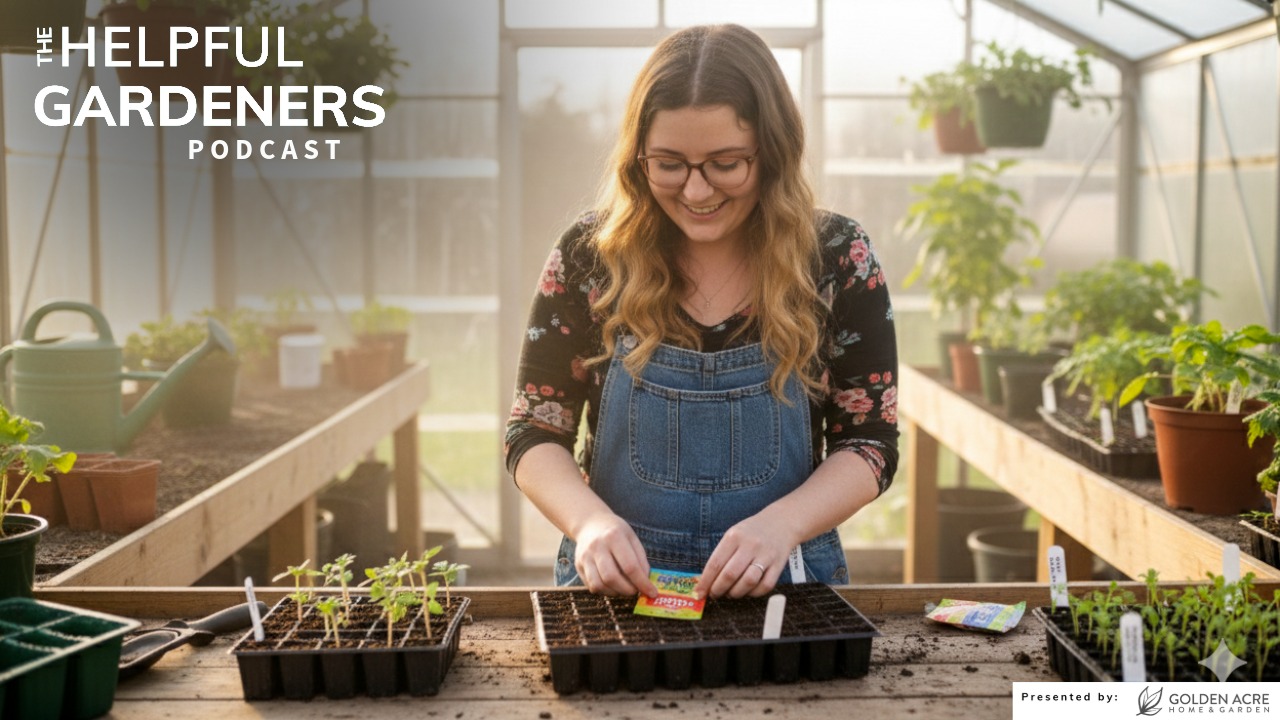
Let’s be real: you’re scrolling through a seed catalog on a Tuesday night, and suddenly you’ve ordered fifteen varieties of heirloom tomatoes and enough peppers to start your own hot sauce empire. But now that the packets have arrived, the itch to get them in the dirt is real. Is it too early to start those babies indoors, or are you just being an overachiever that’ll get in way over your head? Let’s talk timing and equipment so you can bring confidence into the garden this year.


The Big Question: To Plant or Not to Plant?

“I’ve bought way too many seeds and I’m wondering if it’s too early to start my tomatoes and peppers inside the house? – Sarah from Seattle”

Sarah, we feel you. Buying the seeds is the “retail therapy” of the gardening world, but planting them too early is a recipe for leggy, stressed-out plants. The short answer? It depends on your “First Frost” date, but generally, for the West Coast (like Seattle) to the East Coast (looking at you, Atlantic provinces), the rules of thumb remain pretty consistent.

The West Coast (Zone 7-9): In places like Seattle or Vancouver, your spring is often damp and cool. While you could start now, if you plant tomatoes in February, they’ll be massive and root-bound by the time the soil is actually warm enough (usually late May) for them to thrive. If you’re confident about giving them proper care and have the room, start them now. If not, hold your horses for a couple weeks.

The Prairies & Interior (Zone 3-5): Do not be fooled by a random sunny day in February! You’re looking at a late May transplant date. If you start now, you’ll be sharing your dinner table with five-foot-tall tomato jungle-vines by April. If you’re confident about giving them proper care and have the room, start them now. If not, aim for mid to late March.

The East Coast (Zone 5-7): Much like the West, the humidity and coastal shifts can be tricky. You want to count back 6–8 weeks from your last frost. For most of the Atlantic coast, mid-March is your sweet spot for peppers (which grow slower) and late March for tomatoes.


Gear Up: The “Must-Haves” for Seedling Success

You can’t just stick a seed in a cup of dirt on a windowsill and hope for the best (well, you can, but don’t blame us when they look sad). To grow “store-bought quality” starts, you need the right kit.

Equipment Why You Need It Pro Tip
Full-Spectrum LED Lighting Windowsills rarely provide enough light, leading to “leggy” (tall/weak) stems. Keep lights just 2–3 inches above the tops of the plants.
Oscillating Fan Air movement mimics the wind, strengthening the “trunk” of the plant. Run it on low for a few hours a day to prevent “damping off” (fungal death).
Seed Starting Mix Standard garden soil is too heavy and might contain pests or pathogens. Use a sterile, peat or coco-coir based medium for drainage.
Upsizing Pots Plants need room to breathe. Keeping them in tiny cells too long stunts growth. When roots start circling the bottom, move them to a 4-inch “solo” style cup.

Starting seeds is a marathon, not a sprint. If you start too early, you’re just creating more work for yourself. Wait for that 6-8 week window, get your lighting dialed in, and you’ll have the best garden on the block.

Translate »

Calcium Nitrate:

Mix Ratio: Apply ¼ teaspoon per 2 litres once a week. I full scoop makes 24 litres or 6 gallons.

Recommended preventing blossom end rot and calcium deficiency in tomatoes, peppers, cucumbers, pumpkins, zucchinis, and cannabis. It is also highly beneficial for all leafy greens and cruciferous plants (cabbage, Brussel sprouts, broccoli etc.).

Caution: Do not exceed the recommended amount. Keep out of reach of children and pets.

Iron Chelate

Mix Ratio: Soil drench – apply ¼ teaspoon (1gram) /per 1 Litre of water once every 2 weeks. A full scoop makes 12 litres or 3 gallons.

Mix ratio: Foliar spray - apply ¼ teaspoon (1gram) /per 4 Litres of water once every 4 weeks. A full scoop makes 24 litres or 6 gallons.

Recommended for correcting iron deficiency in a variety of plants grown in high pH soil. Iron deficiency is diagnosed by the yellowing or pale colour of the plant leaves, especially in young growth.

Caution: Do not exceed the recommended amount. Keep out of reach of children and pets.

High Drainage

Moisten Thoroughly before use: (optional) Peat moss can be water-repellent. Before use, thoroughly wet the soil.

Potting:

Use pots with drainage holes to prevent root rot.

Fill the pot with the moistened soil, leaving enough space for the plant's root ball.

Gently place the plant in the pot and fill in around it with more soil.

Firm the soil gently.

Watering:

This is crucial! Water frequently, especially during hot weather.

Check the soil moisture regularly by sticking your finger into the soil.

Water deeply when the top inch of soil feels dry.

Fertilizing:

Since peat moss is low in nutrients, fertilize regularly with a balanced liquid fertilizer.

Consider Amendments:

For plants that prefer more moisture retention, you can add a small amount of coco coir or vermiculite to the mix.

Important Notes:

Overwatering: While frequent watering is necessary, avoid overwatering, which can lead to root rot.

Plant Selection: This type of soil is well-suited for seed starting as well as plants that prefer well-drained conditions, such as cacti, cannabis, succulents, and some tropical plants.

Adjustments: You may need to adjust your watering frequency based on the specific plant and environmental conditions (temperature, humidity, sunlight).

Alberta Blend

Moisten the Peat Moss before use: (optional) Peat moss can be hydrophobic (water-repellent) when dry. Before using it, thoroughly moisten it. You can do this by placing it in a container and adding water, then squeezing out any excess.

Mixing: (optional) Our Private Label Alberta Blend comes ready to use, expertly formulated for your plants, either indoors or outdoors.

If you're using this mix as your own base, combine it with worm castings, volcanic dust, vermiculite, etc. to improve nutrition, drainage and/or aeration.

Potting:

When potting your plants, ensure that the pot has drainage holes.

Fill the pot with the moistened potting mix, leaving enough space for the plant's root ball.

Gently place the plant in the pot and fill in around it with more potting mix.

Lightly firm the soil around the plant leaving ½ inch to an inch of space at the top for watering.

Watering:

Because peat moss retains water, be careful not to overwater.

Allow the top layer of soil to dry out slightly before watering again.

Fertilizing:

Since peat moss is nutrient-poor, you'll need to provide your plants with regular fertilization.

Use the correct fertilizer according to the plant's needs.

20-20-20 Houseplant Complete

Mix Ratio: For all houseplants apply ¼ teaspoon (1gram) /per 1 Litre of water once a week once every week. A full scoop makes 12 litres or 3 gallons.

It is highly recommended to start your houseplants on a fertilizer regime, but only while they are actively growing. Houseplants tend to have a period of dormancy (normally winter, however poinsettias, Xmas cacti etc. are exceptions to this rule) and whilst dormant they should not be fertilized.

Caution: Do not exceed the recommended amount. Keep out of reach of children and pets.

22-6-15 Plus Herb and Leafy Vegetable

Mix Ratio: For all herbaceous and leafy vegetable plants apply ¼ teaspoon (1gram) /per 1 Litre of water once a week. A full scoop makes 12 litres or 3 gallons.

This fertilizer is ideal for all leafy vegetables and for herbs. This product can be used year-round if you grow herbs indoors.

Caution: Do not exceed the recommended amount. Keep out of reach of children and pets.

20-12-28 Tomato and Fruiting Vegetable

Mix Ratio: For all fruiting vegetable plants apply ¼ teaspoon (1gram) /per 1 Litre of water once a week. A full scoop makes 12 litres or 3 gallons.

Use this fertilizer on planting day and push right through until the plant either stops producing or reaches the end of season. In the case of transplanted seedlings this fertilizer should be used after the 2 feedings of Js - Jump-Start & Transplant.

Caution: Do not exceed the recommended amount. Keep out of reach of children and pets.

10-52-10 Jump-Start & Transplant

Mix Ratio: For outdoor summer plants apply ¼ teaspoon (1gram) /per 1 Litre of water. Normally two applications, one at the time of transplanting, the second application can be done one week later from the initial fertilizing. A full scoop makes 12 litres or 3 gallons.

Mix Ratio: For seed starting - apply ¼ teaspoon (1gram) /per 1 Litre of water. Do not over water seedlings, feed every 2 weeks until transplanted outside. Feed them at the time of transplanting outdoors, then one more feeding a week later. After that start using the correct fertilizer for type of plant. A full scoop makes 12 litres or 3 gallons.

 e.g. Vt Vegetable: Tomato and Fruiting for tomatoes, F3 Flower flower flower for bedding out/annual plants.

Caution: Do not exceed the recommended amount. Keep out of reach of children and pets.

4-5-28 Perennial Complete

Mix Ratio: All perennials (in warm seasons) apply ¼ teaspoon (1gram) /per 1 Litre of water every 2 weeks from spring to late summer. A full scoop makes 12 litres or 3 gallons.

This formula is professionally blended for all your perennials. For existing perennials, we recommend starting to fertilize when you see active growth (i.e. new shoots etc.). For new perennials we recommend that you start fertilizing at time of planting and go through to mid August.

Caution: Do not exceed the recommended amount. Keep out of reach of children and pets.

28-14-14 Plus Trees and Shrubs - Fruit and Flower

Mix Ratio: Trees and/or shrubs (in warm seasons) apply ¼ teaspoon (1gram) /per 1 Litre of water per week. A full scoop makes 12 litres or 3 gallons.

This formula is professionally blended for all your fruiting and flowering trees and shrubs.

For existing trees, we recommend starting to fertilize when you see active growth (i.e. bud break, new shoots etc.).

For new trees we recommend that you start fertilizing at time of planting and go through to mid August.

Caution: Do not exceed the recommended amount. Keep out of reach of children and pets.

14-7-21 Tree and Shrub Leaf & Needle

Mix Ratio: Trees and/or shrubs (in warm seasons) apply ¼ teaspoon (1gram) /per 1 Litre of water every 2 weeks. A full scoop makes 12 litres or 3 gallons.

This formula is professionally blended for all your evergreen/coniferous and deciduous trees and shrubs.

For existing trees, we recommend starting to fertilize when you see active growth (i.e. bud break, new shoots etc.).

For new trees we recommend that you start fertilizing at time of planting and go through to mid August.

Caution: Do not exceed the recommended amount. Keep out of reach of children and pets.

15-10-30 Flower, Flower, Flower

Mix Ratio: Outdoor plants (in warm seasons) apply ¼ teaspoon (1gram) /per 1 Litre of water twice a week. A full scoop makes 12 litres or 3 gallons.

This formula is professionally blended for all your annual plants. We recommend starting to fertilize at time of planting outdoors and go through to first frost.

Caution: Do not exceed the recommended amount. Keep out of reach of children and pets.